Psychrometrics is the science behind Structural Drying And Dehumidification, and skipping it usually means either under-drying a space or leaving equipment running far longer than necessary.
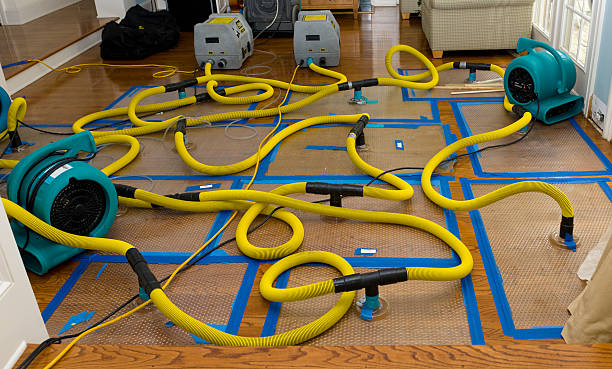
We calculate air mover and dehumidifier placement using psychrometric formulas, not a flat per-room equipment count.

Every Structural Drying And Dehumidification job in Kipling, OH starts with psychrometric calculations that determine exactly how much airflow and dehumidification capacity is needed.
LGR capacity is standard equipment on every Structural Drying And Dehumidification job, not a premium upgrade.
Thermal scans on every Kipling, OH job catch moisture a visual inspection alone would miss.
You receive documented daily readings showing the structure actually getting drier.
Below is the calculated, documented process our Kipling, OH teams follow.

We calculate temperature, humidity, and grain depression readings to build the drying plan.
Thermal cameras scan walls, ceilings, and flooring to reveal moisture invisible to the naked eye.
Dehumidifier capacity is matched to the calculated moisture load for that specific space.
Documented logs track the numbers from day one through final verification.
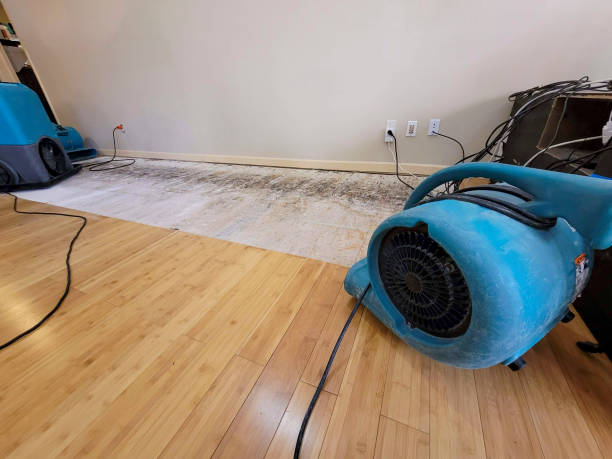
We adjust drying speed for sensitive materials like hardwood and cabinetry to prevent secondary damage.
The job closes only once moisture readings match the documented dry standard for each material type.
A quick call helps us determine whether thermal imaging and full drying equipment are needed.
A technician arrives with thermal imaging cameras and moisture meters ready to assess.
You'll see the calculated plan and cost before drying equipment goes down.
The job closes only once documented readings confirm the structure is fully dry.

"The thermal imaging found moisture behind a wall that looked completely fine from the outside. Would have missed it otherwise." — Julian R.
"They came back every single day to take readings and showed me the numbers improving. Felt like real science, not guesswork." — Monique T.
"Our hardwood floor didn't warp because they slowed the drying process down specifically for it." — Grant P.
We rely on moisture meters and thermal imaging, not appearance alone.
Psychrometrics uses scientific formulas to size the drying plan to the actual moisture load.
Typical drying time is 3-5 days for standard materials, longer for sensitive ones like hardwood.
You'll see the actual numbers improve each day through documented logs.
We adjust the drying plan whenever sensitive materials are involved.
A stall in the daily logs triggers a plan review rather than simply leaving equipment running unchanged.
Kipling is within our core structural drying response zone.

Speak directly with our structural drying team.
Call +1-844-833-1325